Healthcare costs keep rising, and after more than 15 years helping families and business owners secure the right coverage, I see firsthand how these trends affect real people. Two promising tools are emerging: GLP-1 medications—shown to help with obesity prevention and slow chronic disease—and generative AI, which can support more continuous, proactive care. For many of my Medicare and ACA clients managing chronic illness, innovations like home monitors connected to clinician-supervised AI could mean earlier intervention and better outcomes. There's talk of expanding GLP-1 access through federal programs and making it easier to integrate home health data with AI for smarter care. With national healthcare spending projected to reach $9 trillion by 2034, it’s never been more important to understand your options and stay informed about how new technologies might impact your coverage and out-of-pocket costs. My goal is always to help you protect your future and make confident choices about your health and finances—because informed decisions today can make all the difference tomorrow.
-
Seguro de salud sin efectivo: cómo funciona y sus principales beneficios
El seguro de salud sin efectivo permite a los asegurados recibir tratamientos hospitalarios cubiertos sin pagar por adelantado, ya que la aseguradora liquida directamente los gastos aprobados con el hospital. Esta modalidad reduce el estrés financiero, facilita el acceso oportuno a la atención, simplifica la gestión de reclamaciones y brinda acceso a una red de hospitales. Se diferencia de los reembolsos, donde primero se paga y luego se reclama. Siguen aplicando las condiciones, límites de cobertura y exclusiones de la póliza.
Continue to full article -
US Health Plan Switching Interest Grows
More people than ever are considering making a change to their health insurance. According to recent survey data, 16% of US adults say they’re very likely to switch plans in the next year, and another 26% are somewhat likely to do so. This interest is especially strong among younger adults—25% of Gen Z—and almost a quarter of Republican-identifying consumers. I see this reflected in my own conversations with clients in Florida and New York, especially those who currently pay for their own coverage and aren’t in government-assisted programs.
What’s driving this? For many, having access to the right doctors and protecting themselves from unexpected costs now matters even more than the monthly premium. As open enrollment approaches, people are weighing their options carefully, knowing that their needs can shift with changes in work, finances, or family.
As someone who’s helped individuals, families, and business owners navigate these choices for over 15 years, I believe education is key. If you’re considering a health plan switch, focus on network coverage and out-of-pocket protections—these details can make all the difference in your peace of mind.
-
US Debate Over Breast Test Coverage
As someone who’s spent years helping clients navigate health insurance and the complexities of coverage, I keep a close eye on how policies evolve—especially when it comes to critical issues like breast cancer care. Right now, there’s an ongoing debate at the federal level about insurance coverage for a biomarker test used in DCIS, a non-invasive breast cancer found in the milk ducts. Since DCIS can behave very differently from person to person, doctors are often left deciding who might truly benefit from added radiation therapy.
This biomarker test goes beyond the usual clinical factors by analyzing tumor biology, helping predict both the risk of recurrence and whether radiation is likely to provide real benefit. Supporters point out that it can help guide treatment decisions—potentially sparing some women from unnecessary radiation, while identifying others who could see real advantages.
However, the question remains: do these tests add enough value over existing tools to justify coverage under our national insurance system? Although federal agencies recognize the innovation, lab tests like these aren’t yet included in the new accelerated coverage pathway. Another national panel will weigh in on October 13.
As always, my goal is to help you make sense of these changes so you can make confident choices about your health coverage and financial future.
-
Family ACA 101: Find Coverage That Fits
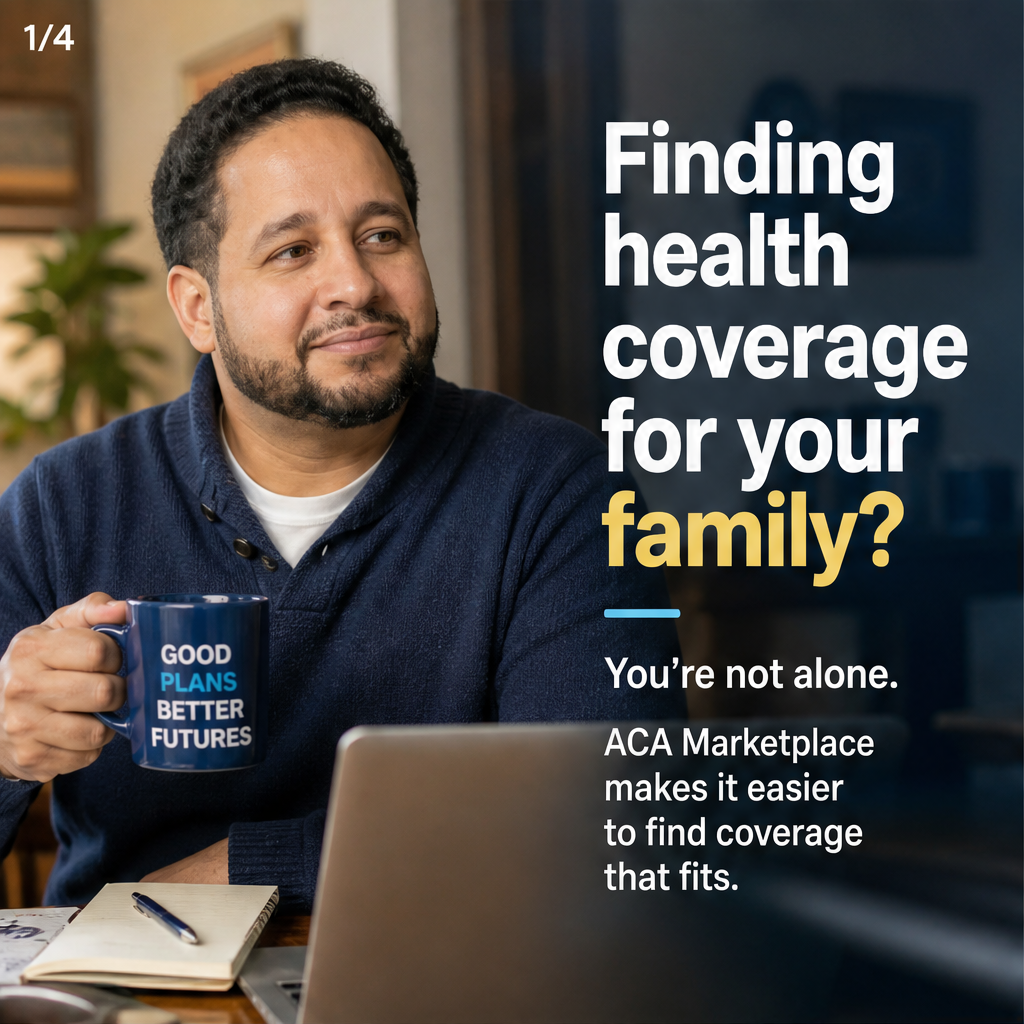
Choosing health coverage for your family can feel overwhelming, but the Affordable Care Act Marketplace makes comparison easier. ACA plans cover essential health benefits and cannot deny coverage or charge more because of pre-existing conditions. When reviewing options, consider the full cost of care: premiums, deductibles, copays, provider networks, prescriptions, and out-of-pocket limits. Depending on household income and family size, you may qualify for premium tax credits or additional savings. Visit HealthCare.gov or your state Marketplace to compare available plans and enrollment deadlines, then consult a licensed professional for help evaluating your options.
Continue to full article -
Life Insurance Coverage, Cost and Benefits
US insurer sold term and indexed universal life coverage. Term pricing ran above avg. for most buyers but better at 60 and 70.
US term options included 10, 15, 20, and 30-yr periods, renewable to age 95. Minimum coverage was $100K, with quotes online but purchase through agents.
Included living benefits let policyholders access death-benefit funds for eligible critical, chronic, or terminal illness. Other riders covered children, disability waivers, guaranteed insurability, and accidents.
Permanent policies looked less competitive, with lower marks for illustration reliability, internal charges, and early cash-value access. US indexed options tied growth to market indexes.
Strength stood out: complaints were under half the industry avg., and the insurer held an A+ rating. Buyers also faced a shorter term conversion window. -
US GLP-1 Coverage Depends on Plan
There’s a lot of talk about GLP-1 medications—those newer drugs used for diabetes and sometimes for weight management—but did you know your insurance coverage can look very different depending on your plan? Many health plans in the US will cover these medications for diabetes or related conditions, but if you’re seeking them for weight loss only, coverage is often much harder to secure. Plans often set their own rules: some require prior authorization, others set minimum BMI requirements, and individual market plans rarely cover weight-loss use at all. Employer coverage is a mixed bag too—about 60% cover diabetes treatment with GLP-1s, but only around 35% extend coverage to include weight loss. For seniors, Medicare’s standard drug benefit still excludes weight-loss-only prescriptions, though there’s a pilot program offering certain GLP-1s for $50/month. Medicaid and other state-federal programs also differ widely. I always tell my clients: it pays to review your plan’s fine print, appeal if you’re denied, and keep an eye out for program updates. With over 15 years guiding clients through Medicare, ACA, and other health coverage, I know how confusing these details can be—but a little knowledge goes a long way toward protecting your health and your wallet.
-
Why Insurance Rewards Relationship-Driven Professionals
In my 15+ years guiding clients through Medicare, ACA plans, long-term care, and life insurance, one truth stands out: insurance is all about relationships. When you take time to truly understand a client’s needs, build trust, and offer solutions tailored to their unique situation, you do more than just protect their future—you build loyalty and earn referrals. This approach leads to higher retention and genuine satisfaction, which, in turn, strengthens your reputation and fuels business growth. My commitment has always been to put education and honest advice first, so you can make confident decisions for your family or business. That’s how lasting partnerships—and real results—are created in insurance.
Continue to full article -
Cómo la planificación financiera puede ayudar a tratar la ‘toxicidad financiera’ del cáncer
Un diagnóstico de cáncer conlleva desafíos económicos que afectan la calidad de vida y la supervivencia. La planificación financiera antes del tratamiento es clave para gestionar costos y beneficios. Estudios demuestran que planificar mejora la salud mental y física, y reduce el riesgo de mortalidad. Los pacientes deben considerar opciones de licencia, reclamaciones de seguros, deducciones fiscales y preparativos legales. El apoyo y la comunicación son fundamentales para afrontar el impacto financiero y emocional del cáncer.
Continue to full article -
Cómo prepararse para imprevistos financieros
Constituya un fondo de emergencia que cubra de 3 a 6 meses de gastos esenciales para afrontar costos inesperados. Revise periódicamente sus pólizas de seguro para asegurar una cobertura adecuada y comprenda los deducibles y límites de gastos propios. Gestione sus deudas de forma proactiva con estrategias como el método bola de nieve o avalancha, y comuníquese con sus acreedores en caso de emergencia para explorar opciones de alivio. Considere una Cuenta de Ahorro para la Salud para gastos médicos y revise cuidadosamente sus facturas para negociar planes de pago si es necesario.
Continue to full article